
- 98% of shoppers expect product protection, they register condition, proportions and ease of opening before the box is open.
- A shipping box damages perceived product value when box quality, size or opening experience don't match the product.
- 4 check questions show where your packaging presence stands. Most problems can be fixed without extra cost.
The shipping box is the first physical thing a shopper sees from you. Not the website, not the product - the box.
According to the 2026 Mondi/RetailX eCommerce Trend Report (6,000 consumers across Europe), 98% of shoppers rate product protection as important or very important. Last year the figure was 95%. At the same time, 53% say they are willing to pay a premium for packaging that suits their needs.
The operational consequence is direct: packaging that looks poor damages perceived product value before the contents are judged. Packaging that looks right supports it, even when it's simple.
What 3 signals do shoppers read from a shipping box?
Shoppers don't assess a parcel with a checklist. They react intuitively, based on three visual and tactile signals.
- Condition signal: Is the box straight, clean, free of dents? A bulging or torn box reads as damage, even when none has occurred.
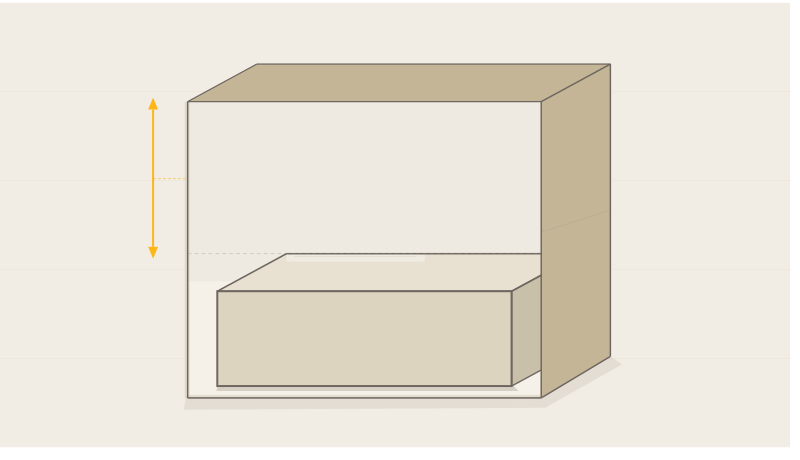
- Proportion signal: Does the box size match the contents? A product rattling around in an oversized box looks cheap, regardless of its actual value. Void fill exceeding 40% is immediately visible to anyone opening the parcel.
- Opening signal: Can the parcel be opened without tools? Multiple layers of poorly placed tape create frustration before the customer ever touches the product.
None of these are design questions. All three result from operational decisions: box size, tape application, board quality. That means all three can be fixed operationally, without starting a design project.
When does a shipping box actively hurt product value?
A shipping box causes real damage when the expectation set by the product and the condition of the arriving parcel diverge. This happens more often than expected, because packaging decisions are typically made once and never systematically reviewed again.
| Situation | Shopper's perception | Operational root cause |
|---|---|---|
| High-value product, crushed box | Quality promise feels broken | Board grade too low for weight and stack pressure |
| Small product, significantly oversized box | Carelessness, waste | No box matrix, one size used for all products |
| Fragile product, no visible protection | Damage assumed before anything is checked | Cushioning missing or not visible on opening |
| Sustainably positioned product, non-recyclable packaging | Brand message feels hollow | Packaging strategy not aligned with product positioning |
All four situations result from operational decisions. And all four can be corrected without rebuilding your packaging concept from scratch. The first step is always the same: review a real parcel, not the order list.
What does ease of opening have to do with return rates?
More than most people think. When a shopper experiences effort or frustration while opening a parcel, their mood at first product contact is already negative. That increases the likelihood that minor product imperfections trigger a return - ones that would otherwise have been accepted without complaint.
Three opening problems with operational root causes and how to fix them:

- Tape wrapped multiple times over box edges: Usually caused by missing packing instructions or changing staff. Fix: standardise tape application. One lengthwise strip handles most boxes up to 5 kg.
- No opening aid on the box: Boxes with a perforated tear strip cost barely more than standard cartons but eliminate a recurring frustration signal.
- Void fill blocking access to the product: Loose fill that completely covers the product extends opening time and can shift the first impression of the product itself. Standardise cushioning placement.
A simple practical test: open a parcel without scissors or a knife and time yourself. If it takes more than 20 seconds, that's a measurable signal. Operators who run this test regularly catch problems before shoppers describe them in reviews.
How do you assess your packaging presence with 4 check questions?
The following self-check covers four points shoppers register without thinking. Each question can be answered on a real parcel in under two minutes.
- Does the packaging match the product value? Take a representative parcel and compare box quality, size and condition against the product's price point. A 60-euro item doesn't need a premium box, but it does need one that doesn't look like warehouse clearance.
- Does the parcel arrive in recognisably good condition? After an internal drop test, check whether edges, flaps and tape are still intact. Double-wall BC-flute boxes (6–7 mm) withstand significantly more stack pressure than single-wall cartons, without costing noticeably more.
- Can the packaging be opened without tools? Open a parcel without scissors or a knife. If it doesn't open within 20 seconds, that's a signal.
- Is there a clear returns or reuse concept? If your shop accepts returns, the box should support that — for example with a second adhesive strip or a returns label pocket. Without a concept in place, every return generates unnecessary extra work on both sides.
When several check questions show action needed at the same time, prioritise by effort. Adjusting tape application or switching to a better-fitting box size can often be done the same day. Building a new box matrix takes more lead time. Start with what's immediately actionable and document the rest as a planned measure. The checklist has a column for exactly that. Anyone who works through two or three points in one pass will typically notice a clear improvement in their packaging presence. In most cases that's achievable before the next peak shipping period.
The Packaging Presence Checklist covers all four questions with current-state column, action needed and immediate fix. Ready to fill in for your own shipment.
Sources
Packaging Presence Checklist
4 check questions with current state, action needed and immediate fix. Ready to fill in for your own shipment.
Download template